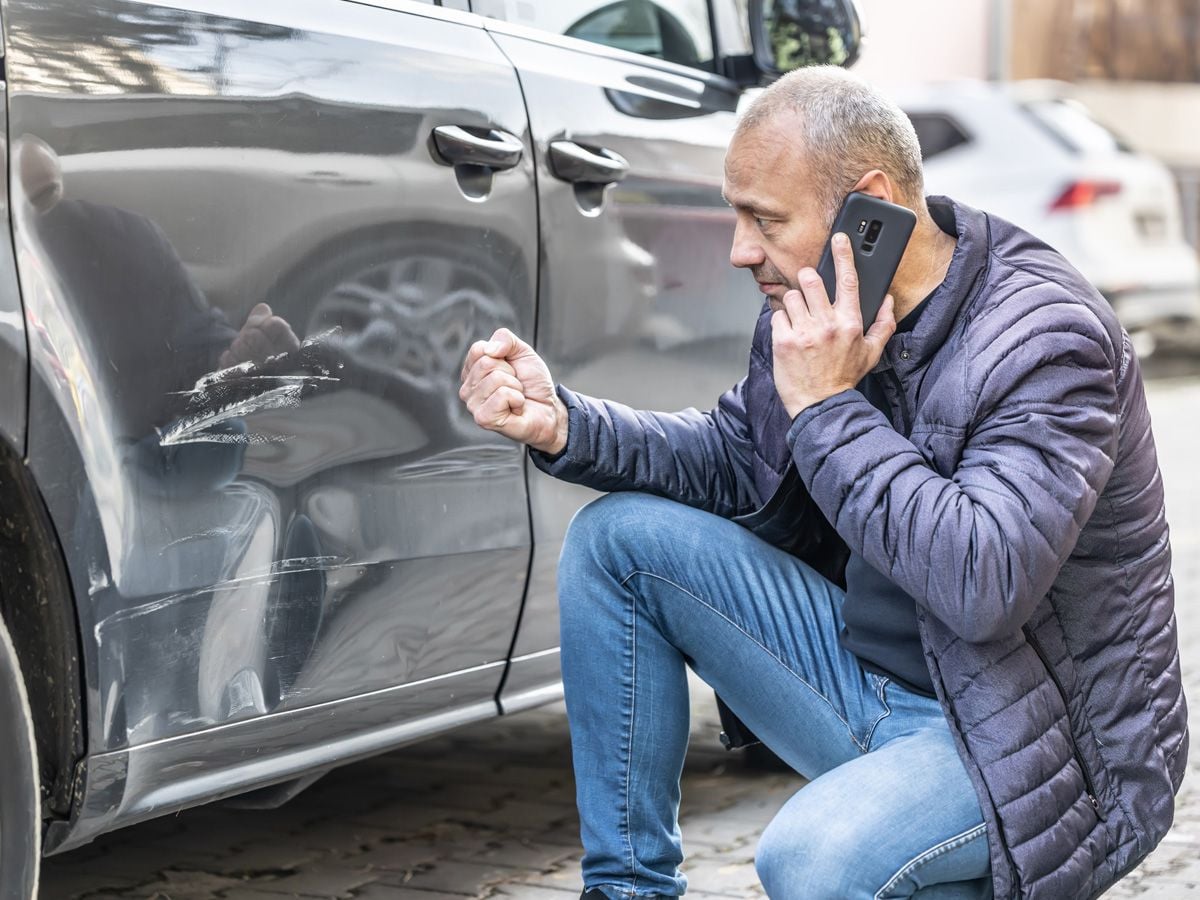
In the UK’s used car market, where a three-year-old hatchback still commands a premium, the sight of a "Category" car priced 30% to 40% below market value is incredibly tempting. It is the automotive equivalent of a fixer-upper house: the bones might be solid, but the history is messy.
Whether you should buy one depends entirely on your budget, your mechanical knowledge, and how long you plan to keep the vehicle. Some Cat N bargains are nothing more than a dented bumper and an overly cautious insurer, while some Cat S repairs are held together by little more than filler and luck.
The UK Salvage Framework
The UK car salvage system is governed by the Association of British Insurers (ABI) and Thatcham Research. In 2017, the industry shifted from the old financial-based "Cat C and D" classifications to a safety-first model that focuses purely on structural integrity.
The system uses four distinct categories:
- Category A (Scrap): The vehicle has sustained catastrophic damage (often from fire or severe flooding) and must be completely crushed. No parts can be salvaged.
- Category B (Break): The main chassis or body shell must be destroyed, but individual components like the engine or interior can be legally stripped and resold.
- Category S (Structural): The vehicle has sustained damage to its structural frame, chassis, or crumple zones. It can legally return to the road, but only after a professional repair.
- Category N (Non-Structural): The structural frame remains completely intact. The damage is limited to cosmetic panels, electrical systems, or safety components like deployed airbags.
The legal mechanism behind this is strict. Under Regulation 17 of The Road Vehicles (Registration and Licensing) Regulations 2002, insurers have a statutory duty to notify the DVLA when a vehicle is declared a total loss. This creates a permanent digital marker against the vehicle's registration. Furthermore, if a trader tries to sell a category car without explicitly disclosing its status, they are breaking the law under The Consumer Protection from Unfair Trading Regulations 2008.
The 2026 Twist: ADAS and EV Batteries
If you are buying a write-off in 2026, you are likely looking at a car packed with technology. This has changed the stakes of "salvage" buying.
1. The ADAS Factor: Since February 2026, the DVSA has introduced visual checks for Advanced Driver Assistance Systems (ADAS) into the MOT. If a Cat N car had a minor front-end "tap" that misaligned the radar sensors behind the bumper, you might find yourself with a permanent dashboard warning light. Calibrating these systems isn't a "driveway fix"; it requires specialist equipment that can cost hundreds of pounds per session.
2. The EV Battery Dilemma: For those looking at used electric vehicles, a "minor" bump to the underside can lead to a Category S or N write-off. Why? Because many manufacturers insist that if the battery casing is even slightly scratched, the entire pack must be replaced for safety. In 2026, a battery replacement can still cost more than a used car is worth, leading to "cosmetically perfect" EVs being written off for a single scrape on the floor pan.
The Pros: Why People Buy Them
- Exceptional Value: You are typically looking at a 25% to 40% discount compared to a "clean" car. If you are on a tight budget and need a high-spec model, this is often the only way to get it.
- The "Uneconomic" Quirk: Insurers often write off cars for silly reasons. A five-year-old car with a keyed door and a broken wing mirror might be a Cat N because the insurer’s approved bodyshop quoted "retail" prices for parts and a premium for a courtesy car. A savvy buyer can fix that for £300 with parts from a breaker’s yard.
- Long-Term Ownership: If you plan to drive the car into the ground (keeping it for 7+ years), the "write-off" marker matters less. The depreciation hit happens the moment the marker is applied; after a decade, the difference between a Cat N car and a clean car is negligible.
The Cons: The Hidden Costs
- Insurance Headaches: This is the big one. In 2026, some major insurers still refuse to cover Category S vehicles, and those that do will often charge a 15% to 20% premium. Always get a quote before you hand over the cash.
- Resale Value: The "Cat" marker is a permanent stain on the car's V5C logbook. When you come to sell it, you will have a much smaller pool of buyers, and professional car-buying sites will offer you significantly less than the "market value."
- The Ghost of Bad Repairs: You have no way of knowing who fixed the car. Was it a manufacturer-approved bodyshop using genuine parts, or was it someone in a shed with a sledgehammer? A poorly repaired structural fault might not show up until you are in another accident and the crumple zone fails to behave as intended.
The Verdict: How to Buy Safely
If you’ve found a Category car that looks too good to pass up, don't let your heart override your head. Follow this 2026 safety protocol:
- Demand Photos of the Damage: Any reputable seller of a repaired write-off should have photos of what the car looked like before it was fixed. If they "lost the photos," walk away.
- The "AQP" Inspection: For Category S cars, ask if an Appropriately Qualified Person (AQP) or an independent engineer has inspected the structural repairs. A standard MOT is not a structural safety certificate.
- Run an independent vehicle history check: Use a reputable service to view historical salvage auction listings. These reports often contain the original insurance damage photos, giving you an unfiltered look at the baseline impact.
- Check the V5C: Ensure a Category S car has been properly re-registered. The logbook should explicitly state that the vehicle was "salvaged due to structural damage."