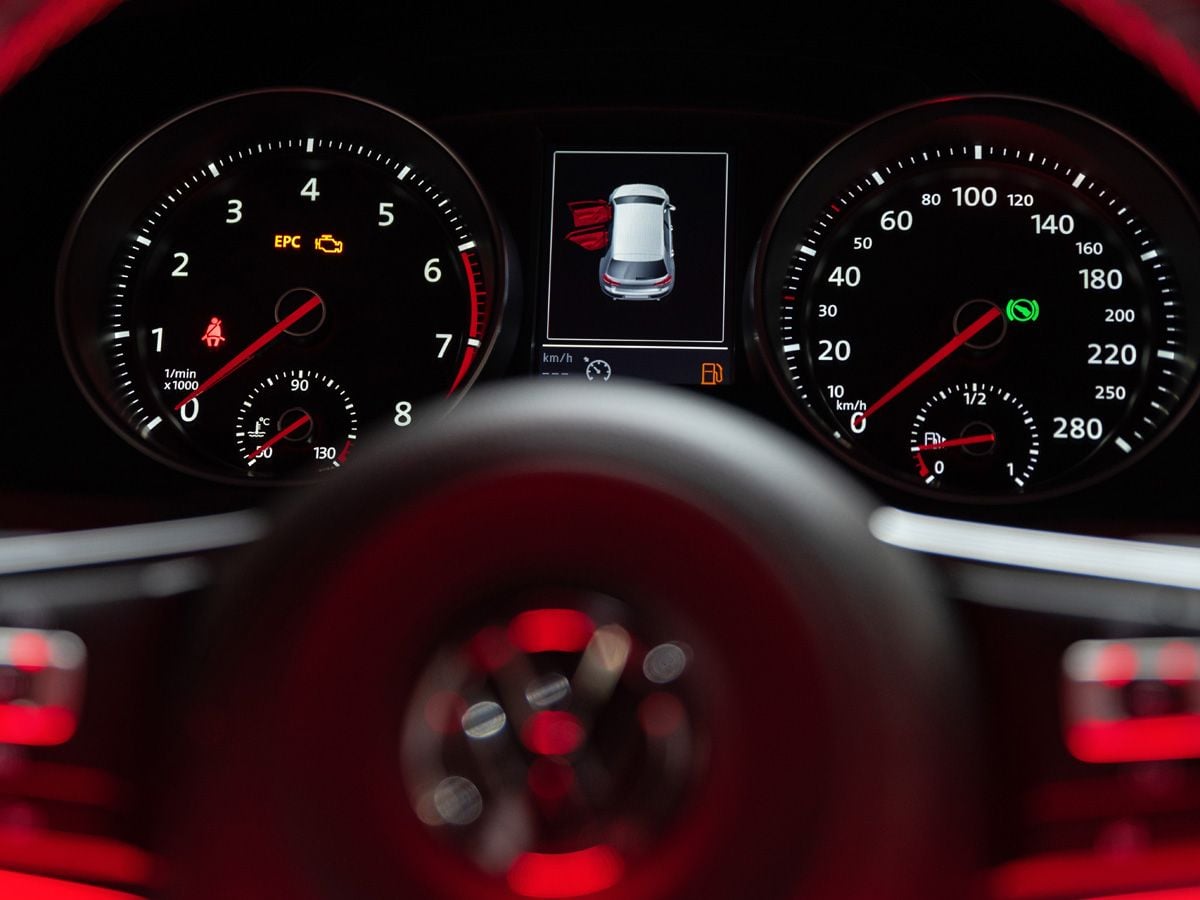
It is a moment that almost every motorist has experienced. You are driving along, the radio is playing, the traffic is moving smoothly, and the car feels completely normal. Then, without warning, a small brightly coloured icon illuminates on your instrument cluster. Instantly, your focus shifts, your heart rate spikes, and your mind begins calculating the potential cost of a major mechanical breakdown.
Modern vehicles are essentially complex networks of computers and sensors that constantly monitor everything from exhaust emissions to tyre temperatures. When a dashboard symbol lights up, it can mean anything from a minor sensor glitch to an imminent engine failure. Because every manufacturer utilises slightly different variations of these icons, understanding what your car is trying to tell you is vital for protecting both your safety and your bank account.
The Universal Colour Code: Judging Urgency Instantly
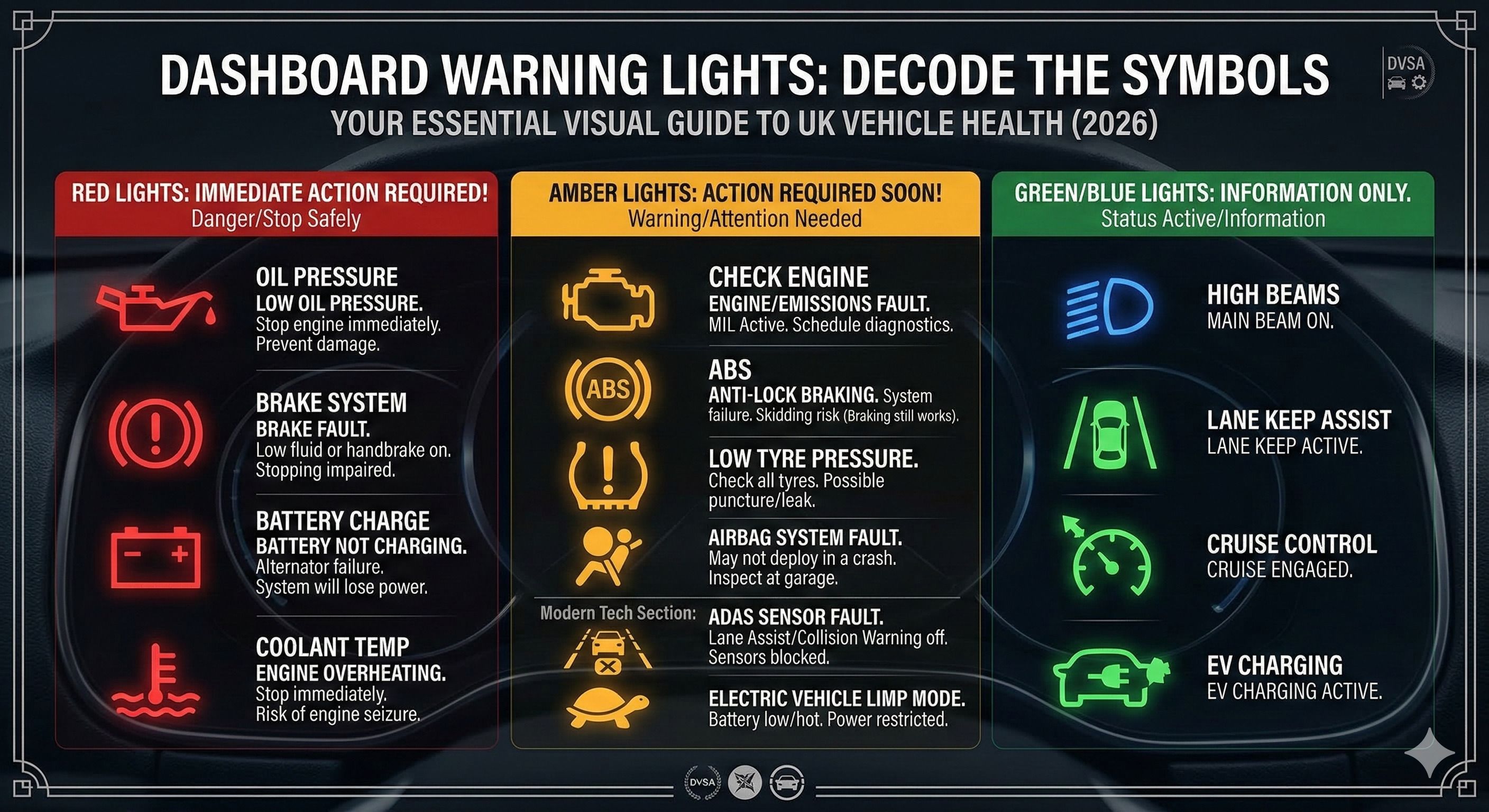
You do not need to memorise hundreds of individual manufacturer symbols to know how to react when a light appears. The automotive industry utilizes a universal, traffic-light warning system that tells you exactly how urgently you need to act.
- Red Symbols (Immediate Danger): A red warning light indicates a critical system failure or a severe safety hazard. If a red light illuminates while you are driving, you must treat it with absolute urgency. It means you need to safely pull off the road, stop the vehicle, and turn off the engine immediately. Continuing to drive with a red warning light can destroy your engine within minutes or put your life at risk.
- Amber or Yellow Symbols (Action Required): Amber lights function as an early warning system. They indicate that the vehicle's central computer has detected a fault that needs professional diagnosis. While you do not need to pull over on the hard shoulder immediately, you must drive with increased caution and arrange to have the car inspected by a garage as soon as possible.
- Green or Blue Symbols (Informational): These icons simply confirm that a specific feature or driving aid is actively working. This includes your headlights, main beams, cruise control, or lane-keeping assistance systems. They require absolutely no corrective action.
Red Warning Lights: The Non-Negotiable Stop Signs
1. The Oil Pressure Warning (The Oil Can)
This is arguably the most dangerous light on your dashboard. It does not simply mean your oil level is a bit low; it means the oil pressure inside the engine block has collapsed. Without adequate pressure, the metal moving parts inside your engine will grind against each other without lubrication, causing terminal engine seizure within seconds.
- What to do: The moment this light appears, safely dip the clutch, pull over to a safe location, and cut the ignition. Wait ten minutes for the oil to drain back into the sump, and check the dipstick. If the level is normal but the light remains on, do not restart the car under any circumstances. Call for recovery immediately.
2. The Engine Temperature Warning (The Thermometer in Water)
This icon indicates that your engine is severely overheating. This is typically triggered by a sudden loss of engine coolant, a split radiator hose, a failed water pump, or a broken cooling fan.
- What to do: Pull over safely and turn off the engine to allow the metal to cool down naturally. Never attempt to remove the coolant expansion tank cap while the engine is hot. The system is highly pressurised, and opening it will release boiling steam and fluid that can cause severe burns. Allow the system to cool completely for at least thirty minutes before checking fluid levels.
3. The Brake System Fault (The Circle with an Exclamation Mark)
If this red symbol illuminates while you are driving, it could mean your handbrake is still slightly engaged. However, if the handbrake is completely released, it indicates either a dangerous drop in your brake fluid level or a primary hydraulic system failure.
- What to do: Safely reduce your speed, leaving an extensive stopping distance between you and the car ahead. Test the brake pedal response cautiously; if the pedal feels spongy, sinks completely to the floor, or the car pulls violently to one side, pull over immediately and call for mechanical assistance.
Amber Warning Lights: The Diagnostic Triggers
1. The Check Engine / Engine Management Light (The Engine Silhouette)
Known formally as the Malfunction Indicator Lamp (MIL), this is the most common amber light drivers encounter. It illuminates when the engine control unit (ECU) detects an anomaly in the combustion process or the exhaust emissions control systems. It could be caused by anything from a faulty oxygen sensor to a blocked diesel particulate filter (DPF).
- What to do: If the car feels completely normal to drive, you can safely continue your journey, but you should book a diagnostic scan with a garage within a few days. However, if the amber check engine light begins to flash continuously, the engine is actively misfiring. This can rapidly melt your expensive catalytic converter; you should slow down immediately and minimize engine load until you can stop safely.
- The MOT Impact: Under UK test regulations, an illuminated engine management light is an automatic major failure for any petrol or diesel vehicle registered from 2017 onwards.
2. The ABS Warning Light (The Letters 'ABS' Inside a Circle)
The Anti-lock Braking System prevents your wheels from locking up during an emergency stop, allowing you to maintain steering control. If this amber light activates, it means the automated safety system has shut itself down due to a fault, usually a failed wheel speed sensor.
- What to do: Your standard mechanical brakes will still stop the vehicle perfectly well, but you will not have the safety net of anti-lock control if you need to brake heavily on a wet or icy road. Drive with extra caution, leave plenty of space ahead, and get the system scanned promptly.
3. The Airbag / Supplementary Restraint System (SRS) Light
This symbol shows a seated passenger with a deployed airbag. When illuminated, it indicates a fault within the safety restraint network, which could involve the seatbelt pretensioners or the airbags themselves.
- What to do: While the car remains perfectly drivable, the central safety computer will typically deactivate the entire airbag network as a precaution. In the event of an accident, your airbags may fail to deploy. Like the check engine light, a lit SRS light is an automatic major failure at your next MOT inspection.
4. The Tyre Pressure Warning (The TPMS Horseshoe Symbol)
The Tyre Pressure Monitoring System (TPMS) alerts you when the air pressure in at least one tyre drops by 25% or more below the recommended factory settings. It can be triggered by a slow puncture, structural sidewall damage, or even sudden seasonal drops in outside temperature.
- What to do: Check the air pressures across all four tyres as soon as practical using a garage forecourt pump while the rubber is cold. If the warning returns shortly after resetting the system, assume you have a slow leak or a puncture and get the tyre inspected by a professional specialist.
5. The Battery / Charging Warning Light (The Battery Rectangle)
Contrary to popular belief, this light does not mean your battery is simply running low on power. When it illuminates while the engine is running, it proves that the alternator is failing to generate electrical charge, meaning the vehicle is running entirely on residual battery reserves.
- What to do: Immediately deactivate all non-essential electrical drains, such as the air conditioning, heated seats, and rear screen demisters. Drive directly to a safe location or a garage. If the battery resource drains completely, the electrical fuel pumps and ignition coils will cut out entirely, causing the vehicle to stall mid-drive.
6. The Power Steering Warning (The Steering Wheel Icon)
This icon indicates a failure within the steering assistance system. For older vehicles, it often points to a loss of hydraulic fluid, whereas modern cars typically suffer from an electrical actuator fault.
- What to do: Your steering will suddenly become significantly heavier, making tight corners and low-speed parking maneuvers physically demanding. Slow down immediately, avoid sudden swerving actions, and book the car in for an electrical diagnostic scan.
Informational and Utility Reminders
1. The Service / Spanner Light
This icon appears as a spanner or a small car outline, depending on your manufacturer. It is rarely a sign of a mechanical breakdown; instead, it functions as a calendar or mileage-based reminder that your scheduled interim or major maintenance window is now due. Ignoring it won't stop the car, but neglecting fresh oil and filter changes will eventually cause primary engine components to degrade, leading to more severe amber or red indicators later down the line.
2. The Traction Control / Stability Assist Light (The Car with Squiggly Skids)
If this light flashes intermittently while you are driving through heavy rain, snow, or across loose gravel, it means the automated stability systems are actively working to cut engine power and apply individual brakes to keep you from sliding. This is perfectly normal behavior. However, if the light stays illuminated constantly without flashing, the stability control network has either encountered an internal sensor error or has been manually turned off via the dashboard controls.
Proactive Management: How to Decode Intermittent Faults
It is incredibly tempting to ignore an amber warning light if it illuminates for a single journey and then mysteriously disappears the next morning. Motorists often assume it was just a temporary glitch. However, the vehicle's ECU records every single fault code into its permanent memory logs as a "stored parameter," even after the dashboard icon turns off.
Ignoring intermittent amber warnings is how minor, cheap fixes gradually escalate into catastrophic repair bills. For example, a failing sensor that causes a minor fuel mixture error can quietly clog your exhaust systems over a few weeks, turning a sixty-pound sensor replacement into a one-thousand-pound catalytic converter bill.
If you are shopping for a used car, checking how warning lights have affected its past can give you massive peace of mind. By dropping the registration number into a comprehensive lookup platform like CheckVehicle.ai or scanning the official GOV.UK MOT records, you can see if the car has a history of emissions failures, ABS issues, or recurring electrical advisories. Investigating these digital records before you buy is the absolute best way to ensure your new dashboard stays completely clear.