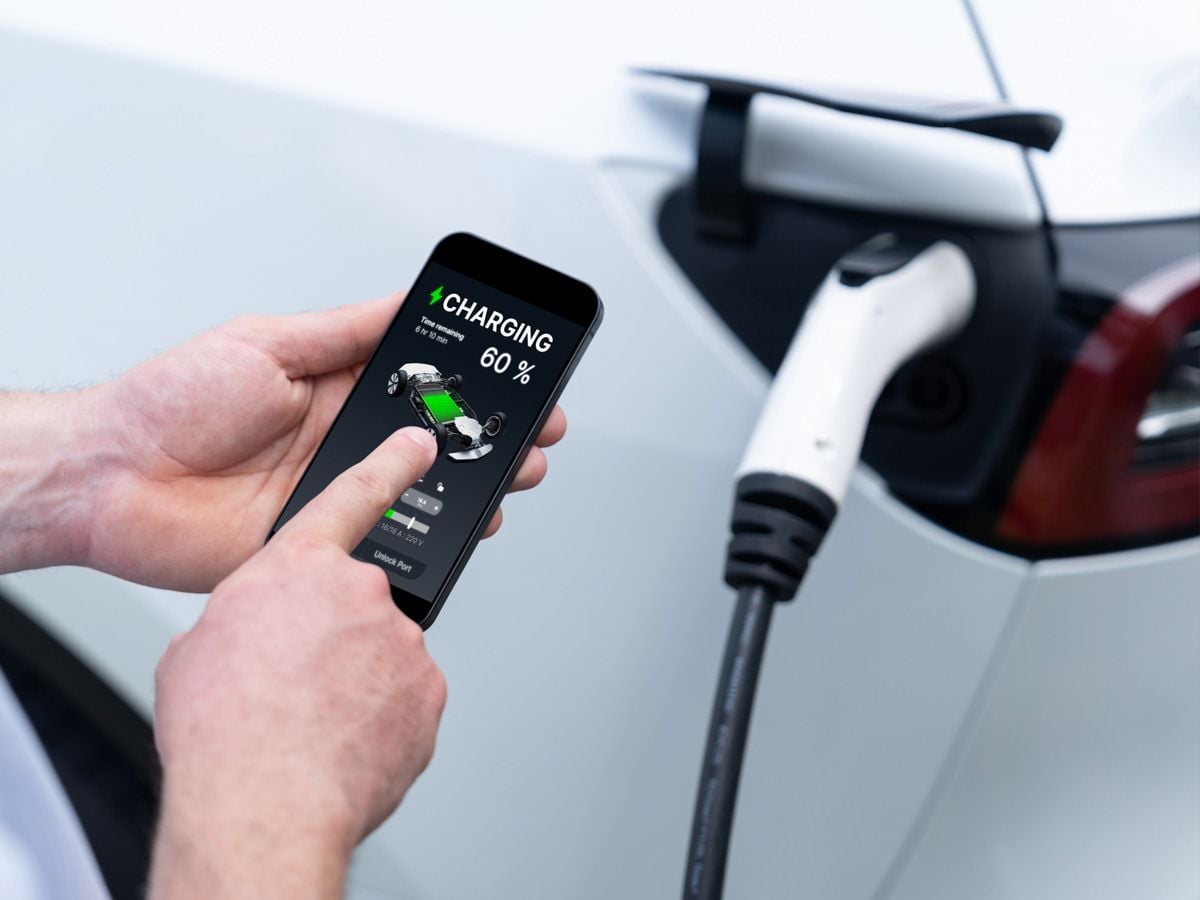
As we settle into 2026, the conversation around Electric Vehicles (EVs) has shifted. It is no longer a question of whether the infrastructure exists, but rather how to navigate it efficiently like a pro. With over 1.5 million fully electric cars now gracing British roads and the public charging network surpassing 118,000 connectors, the "early adopter" phase is officially over. We are now in the era of optimisation.
For a UK motorist in 2026, charging isn't just about finding a plug; it is about understanding a tiered financial ecosystem. The gap between a "smart" charger and a "convenience" charger has never been wider. If you play your cards right, you can power your car for the price of a cup of coffee. If you don't, you might find yourself paying more per mile than a traditional diesel driver. Here is the definitive guide to charging your EV in the current UK landscape.
1. The Financial Reality: A Tale of Two Tariffs
In 2026, the "cost to charge" is the most debated topic in the industry. The UK government’s advisory electric rates, updated in March 2026, reflect a stark contrast: 7p per mile for home charging versus 15p per mile for public charging. However, these are just averages; the real-world numbers depend entirely on your strategy
Home Charging: The Gold Standard
If you have a driveway, home charging remains the ultimate "cheat code" for cheap motoring. By utilising specialist EV tariffs from providers like Octopus, OVO, or British Gas, many drivers are accessing off-peak rates as low as 7p per kWh. On a typical 60kWh battery, a full charge costs just over £4, providing roughly 250 miles of range.
The strategy here is "Smart Charging." Modern 2026 home units are integrated with the National Grid, automatically pausing your charge when demand is high and surging when renewable energy (like wind or solar) is plentiful. This "grid-balancing" doesn't just save you money; it often earns you credits on your energy bill.
Public Charging: The Convenience Premium
When you step out into the public realm, the price climbs. As of March 2026, "Standard" (formerly slow) and "Standard Plus" (formerly fast) chargers typically cost around 54p per kWh. If you need the speed of a "Rapid" or "Ultra-rapid" unit (50kW to 350kW+), expect to pay closer to 76p per kWh. While these prices are higher, it is important to remember the use case. Most savvy drivers use public rapid hubs like a "splash and dash" on long journeys, rather than their primary source of fuel. With 2026 HMRC reimbursement rates set at 15p per mile for public charging, business users can still remain comfortably in the black if they choose their networks wisely.
2. Navigating the Network: Locations and Providers
The UK's charging map has been radically redrawn over the last two years. We have moved away from single, lonely chargers in dark corners of car parks toward "Ultra-rapid Hubs."
The Geography of Power
Unsurprisingly, Greater London leads the way with over 30,000 public chargers, but the real growth story of 2026 is in the South East and Scotland. These regions have seen a massive influx of "En-route" charging hubs. These are the petrol stations of the future, featuring 12 to 20 ultra-rapid bays, coffee shops, and reliable Wi-Fi.
The Big Players
- Shell Recharge (Ubitricity): Still the king of on-street charging, utilizing lamp posts to provide solutions for those without driveways.
- MFG EV Power & InstaVolt: These remain the go-to names for reliability and speed. Their hubs are typically "tap-and-go," requiring no complex apps or subscriptions.
- Tesla Superchargers: In 2026, almost the entire Tesla network in the UK is open to non-Tesla vehicles, providing some of the most consistent charging speeds in the country.
- Gridserve: Dominating the "Electric Forecourt" space, they provide a premium experience on major motorways like the M1 and M25.
3. Best Practices: The 2026 Charging Protocol
With battery replacements still being an expensive prospect, "battery health" is a priority for the 2026 owner. Your charging habits directly dictate the health and resale value of your car.
The 20-80% Rule
The chemistry of a modern lithium-ion battery (like NCM or NCA) prefers to stay in the middle. Charging to 100% every night creates "voltage stress," while dropping to 0% can lead to chemical degradation.
- Daily Habit: Set your car or app to stop charging at 80%.
- The Exception: Only charge to 100% right before a long journey. Don't let the car sit at 100% in the sun for days; it’s the fastest way to age the pack.
Thermal Management
In 2026, many EVs feature "Battery Pre-conditioning." If you are heading to a rapid charger, use the car's built-in sat-nav to select the station. The car will automatically warm or cool the battery to the optimal temperature so that when you plug in, you get the maximum speed immediately. This reduces the time you spend on the forecourt and protects the battery cells from "heat shock."
Bidirectional Charging (V2G)
A new habit for 2026 is Vehicle-to-Grid (V2G). If your car is V2G-compliant, you can plug in at 6 pm when the UK grid is under strain. Your car will sell a small amount of its electricity back to the grid at a high price. Then, at 2 am, the car will refill itself using cheap, off-peak wind power. You can essentially get paid to park your car.
4. Incentives and Grants: Closing the Gap
The UK government has extended several key supports into 2026 to help with the transition.
- The £500 Grant: As of April 2026, the grant for home and workplace chargers has been increased to £500. This is primarily targeted at renters, flat owners, and those with on-street parking solutions.
- Workplace Charging Scheme: Businesses can still claim up to £500 per socket (up to 40 sockets), making it a no-brainer for employers to provide free or subsidised charging for staff.
- Electric Car Grant (ECG): On the vehicle side, a refreshed grant of up to £3,750 is available on eligible new ZEVs under £40,000, aimed at making EVs price-competitive with petrol alternatives.
Summary of Best Practices for 2026:
- Always ABC: "Always Be Charging" (lightly). Instead of one massive weekly charge, small "top-ups" while you shop or work are gentler on the battery.
- App Consolidation: Use an aggregator app like Zapmap or Bonnet to avoid having 15 different apps on your phone.
- Check the VED: Remember that since 2025, EVs now pay Vehicle Excise Duty. Ensure your "Road Tax" is up to date, even if the rate is lower than a petrol car's.
- Winter Prep: In the colder months, use the "Pre-heat" function while the car is still plugged in. This uses grid power to warm the cabin, preserving your battery for the actual driving.