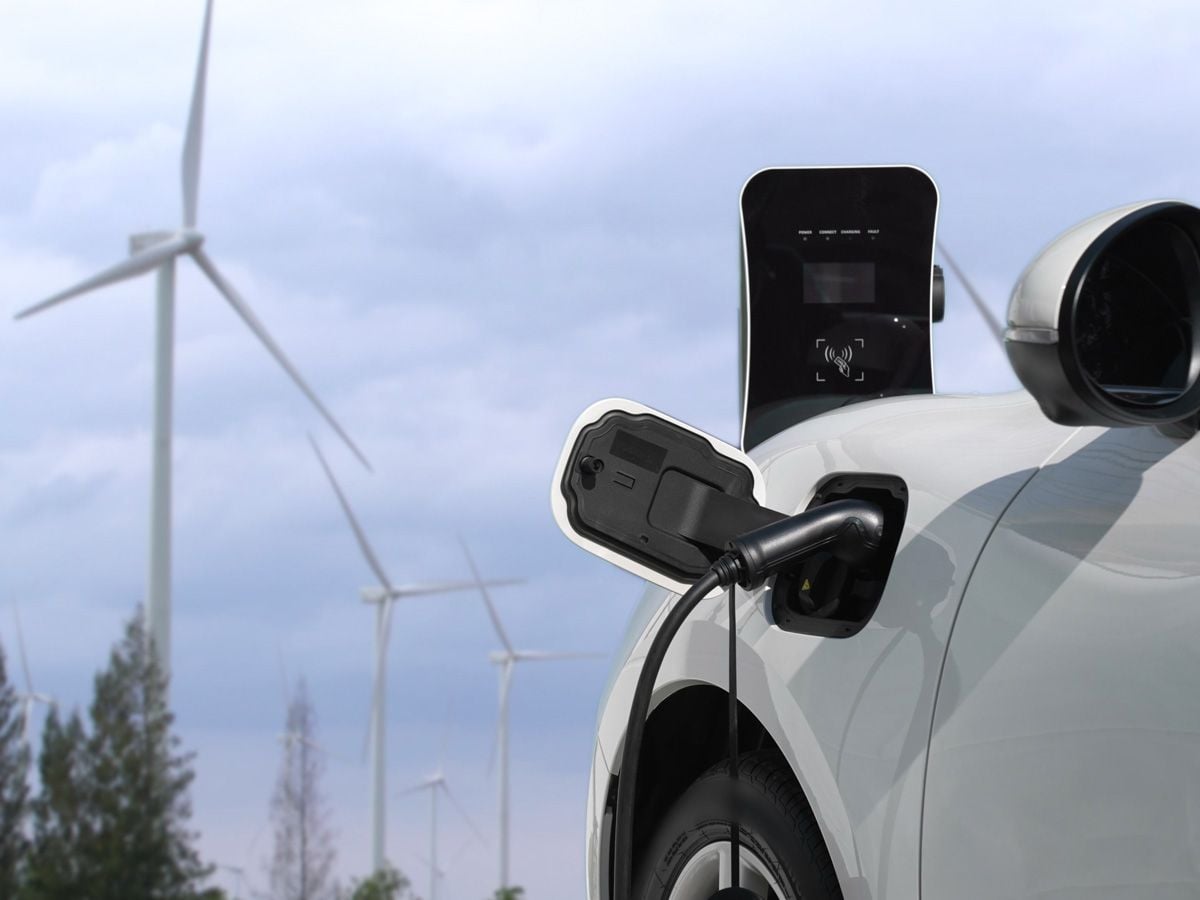
As we navigate through 2026, the term "Zero Emission Vehicle" or ZEV has transformed from a niche environmental goal into the fundamental pillar of the British automotive industry. If you have stepped into a car dealership lately, you will have noticed that the conversation has shifted. We are no longer talking about "if" you should go electric, but "when." However, for many motorists, the actual definition of a ZEV remains surprisingly murky. Is a hybrid a ZEV? Does a hydrogen car count? Why does the government care so much about the tailpipe while ignoring the factory chimney?
To understand the ZEV in 2026, you have to look past the marketing gloss. A Zero Emission Vehicle is legally defined as a vehicle that emits absolutely no CO2 or harmful pollutants, such as nitrogen oxides (NOx) or particulate matter, from its onboard source of power while it is being driven. In the eyes of the law, the "Zero" refers specifically to the tailpipe. If a car has a pipe at the back that could, under any circumstances, puff out a gram of gas, it is not a ZEV.
The 2026 Regulatory Landscape: The ZEV Mandate
The reason this definition has become so vital this year is the UK's ZEV Mandate. As of 2026, the government requires that 33% of all new cars sold by any major manufacturer must be zero emission. For vans, the target is 24%. This isn't just a suggestion; manufacturers that fail to meet these percentages face staggering fines of up to £12,000 per non-compliant car.
This legal pressure is why your local showroom looks so different this year. Manufacturers are pulling out every stop to ensure one in every three cars they sell is a ZEV. This has led to a surge in competitive pricing and better finance deals for pure electric cars, while traditional petrol and even hybrid models are seeing their lead times grow or their prices rise to offset potential fines.
The Two True ZEV Technologies
In 2026, only two primary technologies meet the strict criteria of a Zero Emission Vehicle for the passenger car market.
1. Battery Electric Vehicles (BEVs)
The BEV is the undisputed heavyweight champion of the ZEV world. These vehicles are powered entirely by electricity stored in a large battery pack, which in turn drives one or more electric motors. There is no internal combustion engine, no gearbox in the traditional sense, and certainly no exhaust system.
By 2026, the technology within these batteries has moved on significantly. We are seeing the first wave of semi-solid-state batteries entering the premium market, offering higher energy density and reduced weight. More importantly for the average driver, the "standard" range of a family BEV has settled at a comfortable 250 to 300 miles, making the "range anxiety" of the early 2020s a historical footnote for most.
2. Hydrogen Fuel Cell Electric Vehicles (FCEVs)
FCEVs are essentially electric cars that carry their own miniature power station. Instead of a massive battery, they use tanks of compressed hydrogen. This hydrogen is passed through a fuel cell stack where it combines with oxygen from the air to create electricity. The only thing that leaves the car is pure, drinkable water vapour.
While FCEVs offer the benefit of refuelling in minutes, they remain a rarer sight on UK driveways in 2026. The infrastructure has primarily focused on heavy industry and long-haul trucking. However, for drivers who cover 500 miles a day or live in areas with restricted grid access for charging, the hydrogen ZEV remains the most viable long-term alternative to the battery.
The "Hybrid Gap": Why Close Enough Isn't Zero
This is where most of the confusion lies. For years, Plug-in Hybrids (PHEVs) were marketed as the "best of both worlds." They have a battery for the school run and a petrol engine for the motorway. In 2026, while they are still great cars and far cleaner than pure petrol models, they are officially classified as "Low Emission Vehicles," not ZEVs.
The ZEV Mandate is absolute. Because a hybrid can emit CO2, it does not count toward a manufacturer's 33% target. This has caused a significant shift in the used car market as well. As city centres like London, Bristol, and Birmingham tighten their "Zero Emission Zones," many hybrid owners are finding that their "green" cars are suddenly being grouped with traditional diesels. If your goal is total future-proofing, the hybrid is no longer the final destination.
The Financials: Tax and VED in 2026
The government has used the ZEV definition to create a tiered tax system that heavily rewards those who go "pure." If you are looking at the numbers for 2026, here is the current reality:
- Benefit-in-Kind (BiK): For company car drivers, ZEVs remain a goldmine. While the rate has increased slightly to 4% for the 2026/27 tax year, it is still a fraction of what you would pay for a petrol or hybrid car, which can easily hit 25% or more. This remains the single biggest driver of ZEV adoption in the UK.
- Vehicle Excise Duty (VED): The days of "free" road tax for EVs ended in April 2025. In 2026, a new ZEV pays a token £10 for its first year. From year two onwards, you will pay the standard flat rate of £200.
- The Expensive Car Supplement: In a bit of good news for 2026, the government has increased the "luxury car" threshold for ZEVs. Previously, any car over £40,000 paid a heavy annual surcharge. As of April 2026, that threshold has been moved to £50,000 specifically for ZEVs, acknowledging that electric technology is currently more expensive to produce. This saves EV owners roughly £425 a year compared to those buying a £45,000 petrol car.
The Life-Cycle Argument: Is "Zero" Really Zero?
As a content manager, I often hear the valid criticism: "What about the battery factory? What about the coal power station?" It is a fair point. A ZEV is only as clean as the grid that charges it. In 2026, the UK grid is greener than ever, with renewables often providing over 50% of our daily power.
Studies now consistently show that even when you account for the carbon-intensive process of mining lithium and manufacturing batteries, a ZEV becomes "cleaner" than a petrol car within the first 15,000 to 20,000 miles of its life. From that point on, every mile driven is a net win for the environment. While "Zero Emission" describes the tailpipe, the "Low Carbon" reality of the entire vehicle life cycle is what really matters for the planet.
Making the Move: A 2026 Perspective
If you are considering a ZEV this year, you are entering the market at a peak time. The charging infrastructure has matured, with ultra-rapid hubs now standard at most motorway service stations. The cars themselves are no longer "compliance cars" with awkward styling; they are some of the most refined, quietest, and fastest-accelerating vehicles ever made.
However, the "Zero" badge comes with a new set of responsibilities. You need to think about your "charging hygiene" — charging when prices are low at night and maintaining your battery between 20% and 80% to ensure it lasts for the decades intended.