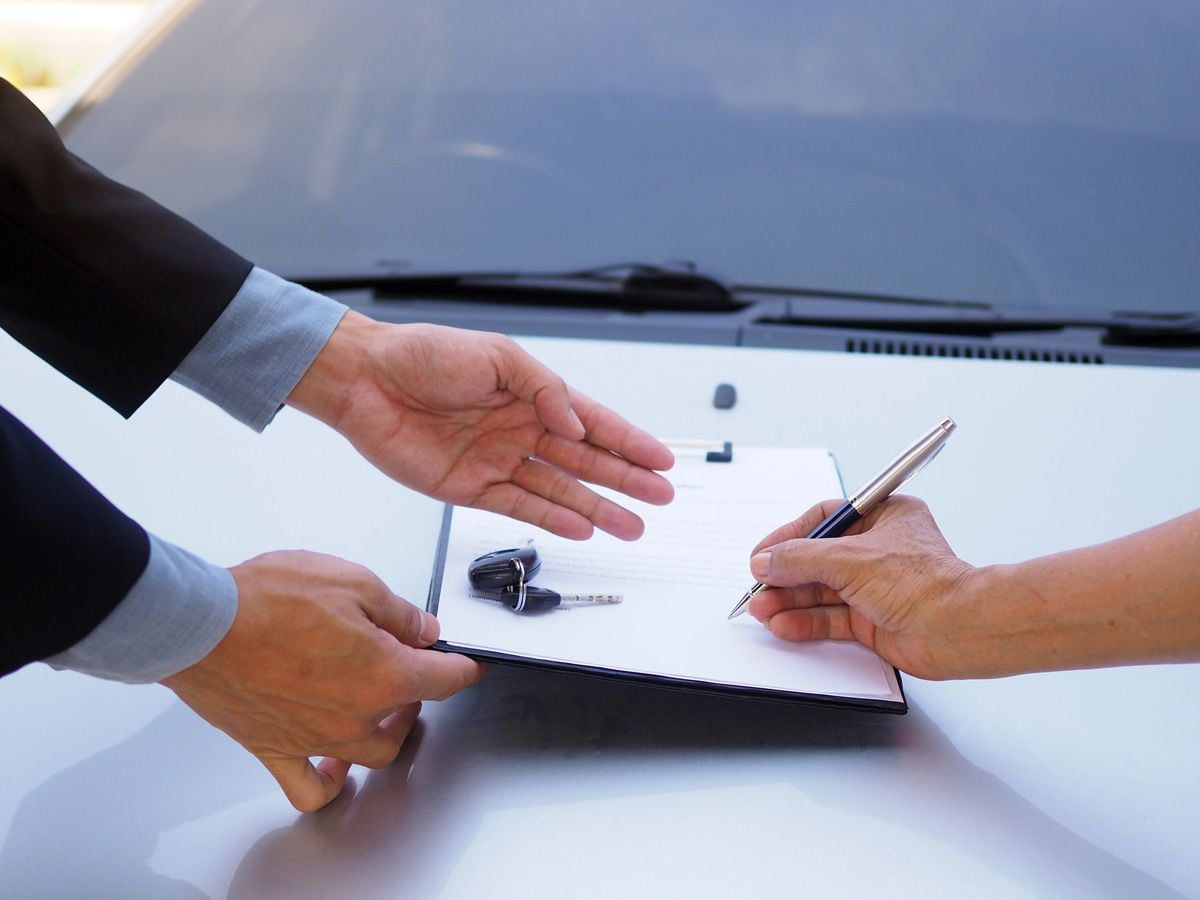
Walking onto a car forecourt or up a private seller’s driveway to negotiate can feel awkward. British buyers are often conditioned to accept the sticker price, but in the second-hand car market, almost every price tag has some wiggle room built into it.
Haggling is not about picking an argument or being cheeky for the sake of it. The most successful negotiators are polite, calm, and armed with simple facts about the car in front of them.
When you point out genuine upcoming maintenance costs or market realities, you are not asking for a favour; you are simply adjusting the price to reflect the vehicle's true condition.
Here is how to negotiate like a seasoned buyer on UK forecourts and private driveways.
1. Do Your Homework Before You Touch the Door Handle
Before you go for a test drive, you should already know the true going rate for that exact year, make, and trim level.
- Check local market averages: Look up similar models within a 30-mile radius on Auto Trader and eBay Motors. If a dealer has a Ford Focus listed for £11,500 but identical mileage examples nearby are averaging £10,800, you have immediate evidence.
- The Script: "I have had a look at comparable models within 30 miles, and the typical market rate for this spec and mileage is sitting closer to £10,800. If we can get closer to that number, I am ready to do a deal."
2. Use Vehicle Reports & MOT History as Your Secret Weapon
Before you travel to view a vehicle, run its registration number online. You can quickly generate a free report on CheckVehicle.ai to get an instant breakdown of the car's tax status, mileage progression, and full MOT background in one clear view. Alternatively, you can look up the raw test records directly on the official GOV.UK MOT history service.
The key to negotiating here is looking closely at the Advisories from the most recent test.
Advisories are minor faults that were not severe enough to fail the MOT on the day, but will cost you real money in the near future. They are pure gold for haggling:
- Brake wear: An advisory stating "front brake discs worn, pitted or scored" means a garage bill in the next few thousand miles.
- Suspension wear: Notes like "suspension arm pin, bush, or ball joint worn" usually signal a £150 to £300 repair at your next service.
- Mileage irregularities: If the recorded mileage jumps or drops strangely between test years, that is an immediate red flag you must bring up with the seller.
- The Script: "I ran a vehicle check and the MOT history shows an advisory for worn front brake pads and discs. I will need to book it into a garage to get those sorted shortly, which will cost around £200. Can we take that off the agreed price today?"
3. Check the Tyres and Wheels on Inspection
When you inspect the car in person, always check the tyres. Tyres tell you a lot about how well a car was cared for, and replacing them is expensive.
- Tread Depth: The legal minimum in the UK is 1.6mm across the central three-quarters of the tyre. If the tread is around 2mm to 3mm, you will need new rubber within months. A full set of decent tyres will easily cost £300 to £600 depending on the wheel size.
- Mismatched Budget Tyres: If you are buying a premium German saloon and find four different brands of cheap budget tyres fitted, use that as leverage.
- Alloy Scuffs and Kerb Damage: Kerbed wheels cost roughly £70 to £90 per corner to refurbish properly.
- The Script: "Both front tyres are sitting at around 2.5mm and will need replacing before winter. That is easily £200 for a decent pair. If you can knock £150 off to help cover the cost, we have a deal."
4. Dealer Forecourts vs. Private Driveways: Two Different Approaches
At a Dealership: Focus on the "On the Road" Price
Dealership sales executives are trained to steer negotiations toward "monthly payments" (PCP or Hire Purchase). A salesperson might easily lower your monthly payment by stretching your loan term from 36 to 48 months, which actually makes the car more expensive overall due to interest.
- Keep the focus on the total cash price: Never discuss monthly finance figures until you have agreed on the car’s total selling price.
- Challenge the "Admin Fee": Many dealer groups quietly add an administrative fee of £99 to £249 at the point of invoice. Always insist on having this waived.
- The Dealer Script: "I understand the finance package, but I want to agree on the total on-the-road price first. If we can agree on £14,200 with no admin fees, we can run through the finance paperwork."
On a Private Driveway: The Power of Cash, Speed, and Silence
Private sellers do not have monthly sales quotas or finance commission to worry about. Their main goals are usually freeing up driveway space, getting paid safely, and avoiding timewasters.
- Make a fair offer and stay silent: After you inspect the car and test drive it, make a clear, sensible offer and simply wait. Do not rush to fill the silence. A seller will often meet you halfway just to wrap up the sale quickly.
- The Private Seller Script: "I like the car, but considering it is due a major service next month, I can offer £7,400 via instant bank transfer and collect it tomorrow afternoon."
5. Missing Paperwork and Practical Bargaining Chips
Small oversights in the paperwork or equipment are fantastic, non-confrontational ways to trim the price:
- Missing Spare Key: Modern remote key fobs cost between £150 and £300 to supply, cut, and code through an auto-locksmith or main dealer.
- Missing Service Stamps: If there is a gap in the service book or digital records, you have no proof the oil was changed on schedule. That increases your ownership risk and lowers future resale value.
- No Parcel Shelf or Locking Wheel Nut Key: These are frequently misplaced by previous owners and cost real money to replace.
- The Script: "I noticed there is only one key with the car. Sourcing and coding a replacement remote key from a dealer is going to cost around £200. Can we adjust the price to reflect that?"
6. Used Electric Vehicles: The Battery Health Check
If you are buying a used EV, negotiating revolves around the battery condition. Just like a high-mileage petrol engine, an EV battery degrades over time.
- Ask for a Battery State of Health (SoH) Report: A four-year-old electric car with 85% battery health has permanently lost roughly 15% of its original driving range compared to one sitting at 95%.
- The EV Script: "The battery health diagnostic is showing 12% degradation, which directly affects the usable real-world range and future resale value. I would need to see an extra £750 off the asking price to balance that out."
7. What to Do If the Seller Refuses to Budge on Price
Sometimes a dealer or private seller will flatly refuse to discount the screen price. If that happens, do not walk away immediately. Instead, negotiate for things that cost the seller very little trade-cost but save you substantial money out of pocket:
- A fresh 12-month MOT: Essential if the current certificate has less than six months left.
- A full service before collection: Saves you an immediate garage trip and £150 to £250.
- An extended dealer warranty: Ask them to upgrade a standard 3-month statutory warranty to a 12-month comprehensive cover.
- A full tank of fuel or free home delivery: A small gesture that seals the deal.
Three Ground Rules for Every Car Negotiation
- Never reveal your maximum budget early: If you have £10,000 to spend, tell the seller your target budget is £9,000. It leaves you headroom to negotiate upward without hitting your limit.
- Be willing to walk away politely: The strongest negotiating position is being genuinely prepared to walk away. Leave your name, phone number, and final offer on a polite note. Sellers often call back within 24 to 48 hours once they realise no other buyer is offering more.
- Always run an independent history check first: A cheap car is not a bargain if it carries outstanding finance, has been clocked, or was previously written off by an insurer. Always verify the VIN and run a comprehensive provenance check before parting with a single pound.