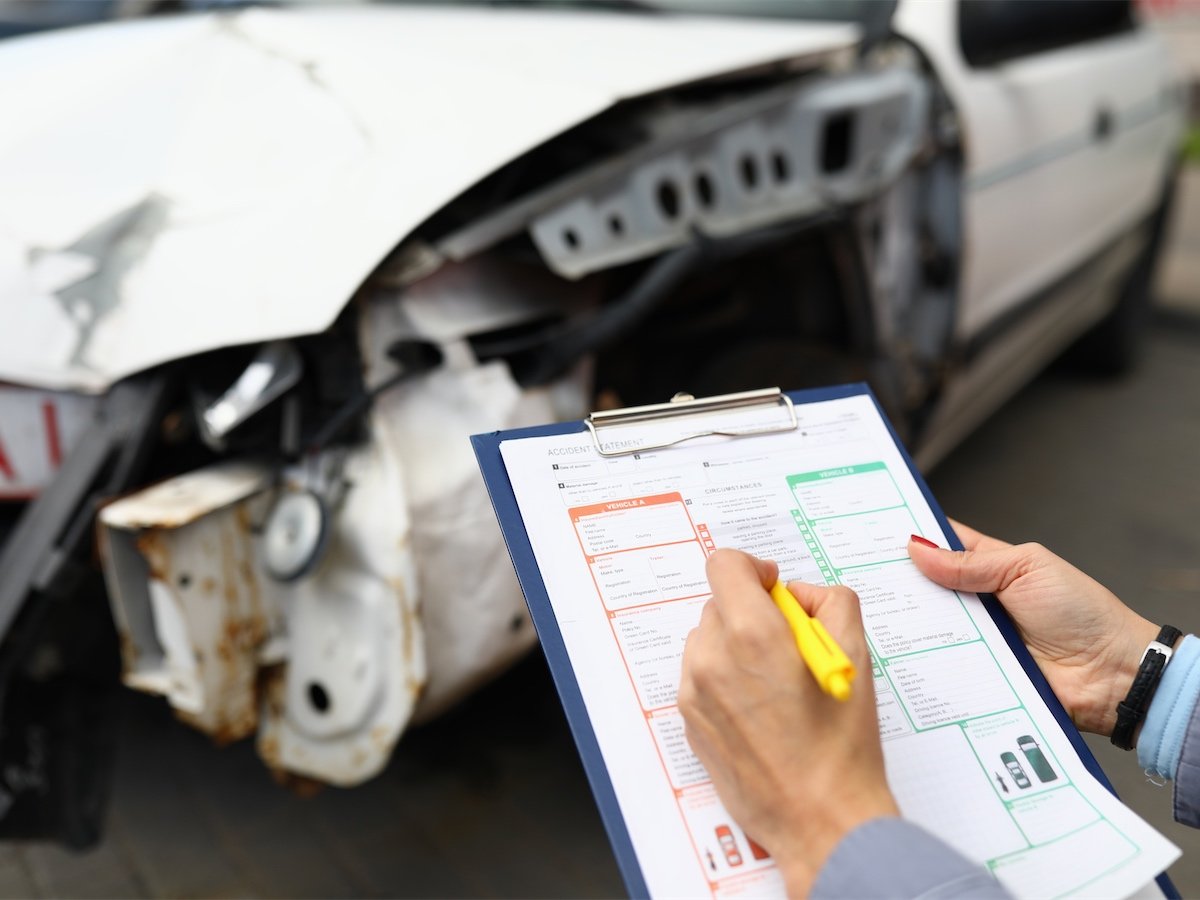
A stolen car check tells you whether the vehicle is recorded as stolen on police records. If it is, the report shows the date it was reported and which police force holds the record. A stolen car still belongs to its owner or their insurer, so the police can take it back and you can lose the money you paid.
What the stolen car check covers
- Whether the car is currently recorded as stolen
- The date the theft was reported and the date it was added to the record
- The police force that recorded the theft
- The current status of the record
If a car was stolen and later written off by an insurer, the write-off section of the report flags that too. Both checks are included in every paid report, starting with the Quick Check.
Where the stolen vehicle data comes from
UK police forces record vehicle thefts when they are reported, and we request those stolen vehicle records when you generate your report. Vehicle details come from the DVLA, so you can compare the make, model and colour with the car you are viewing. A mismatch can point to a cloned car, where criminals fit the plates of a legitimate car to a stolen one.
How to spot a cloned or stolen car
A cloned car carries the registration of a genuine one, so the check returns the genuine car's clean record. Check the car itself as well as the report:
- Match the VIN on the V5C logbook with the VIN at the base of the windscreen and on the chassis plate.
- Compare the make, model, colour and engine size with the report.
- View the car at the address printed on the V5C.
- Be wary of a price well below similar cars, or a seller pushing for a quick cash sale.
If the check says the car is stolen
Do not buy the car and do not confront the seller. Leave, then report what you found to the police on 101, or anonymously to Crimestoppers on 0800 555 111.