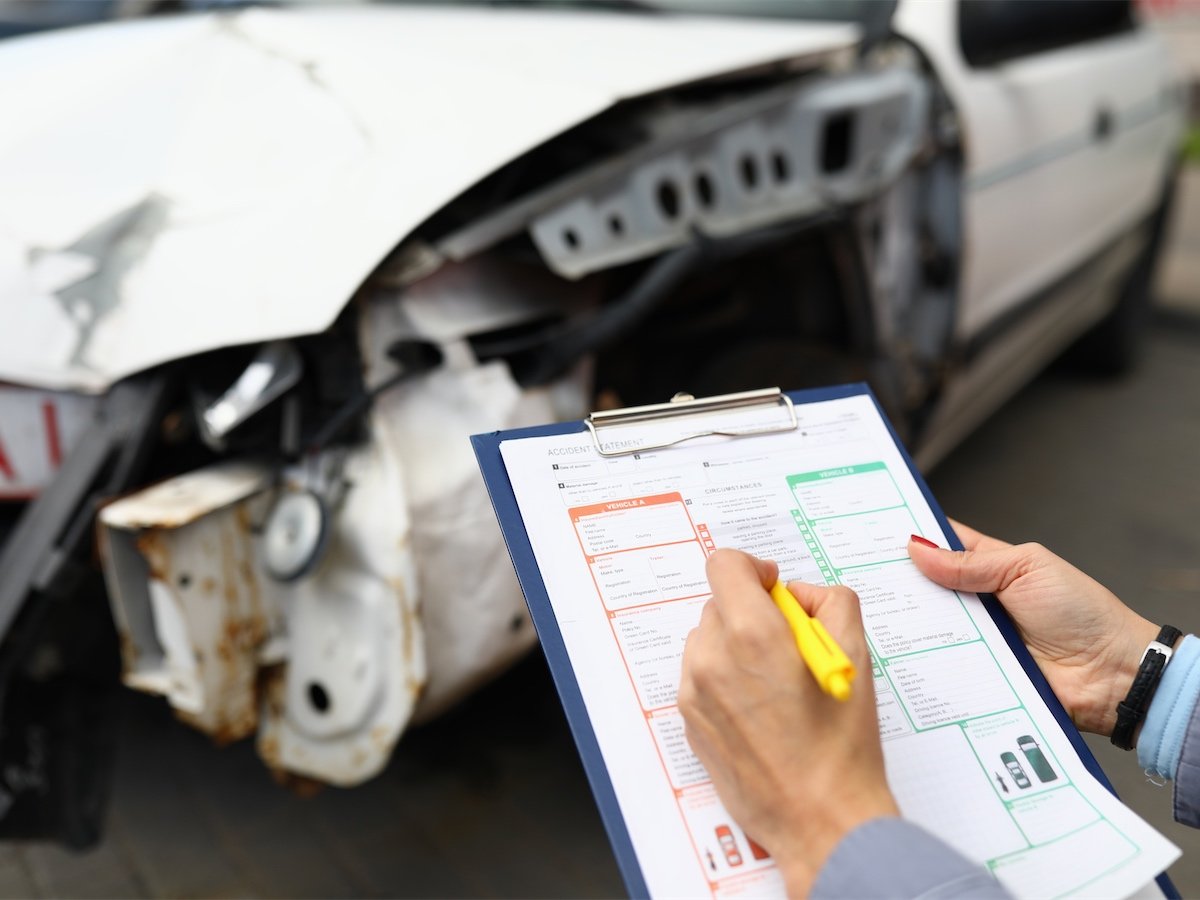
A write-off check tells you whether an insurer has ever declared the car a total loss after an accident, flood, fire or theft. If it has, the report shows the category (Cat S, Cat N, or the older Cat C and Cat D), the date and the insurer. A previous write-off lowers the car's value and can make it harder to insure.
Write-off categories explained
UK insurers have used four write-off categories since October 2017. Only the last two can go back on the road.
- Cat A means scrap only. The whole car must be crushed.
- Cat B means break for parts. The body shell must be crushed, although some parts can be salvaged and sold.
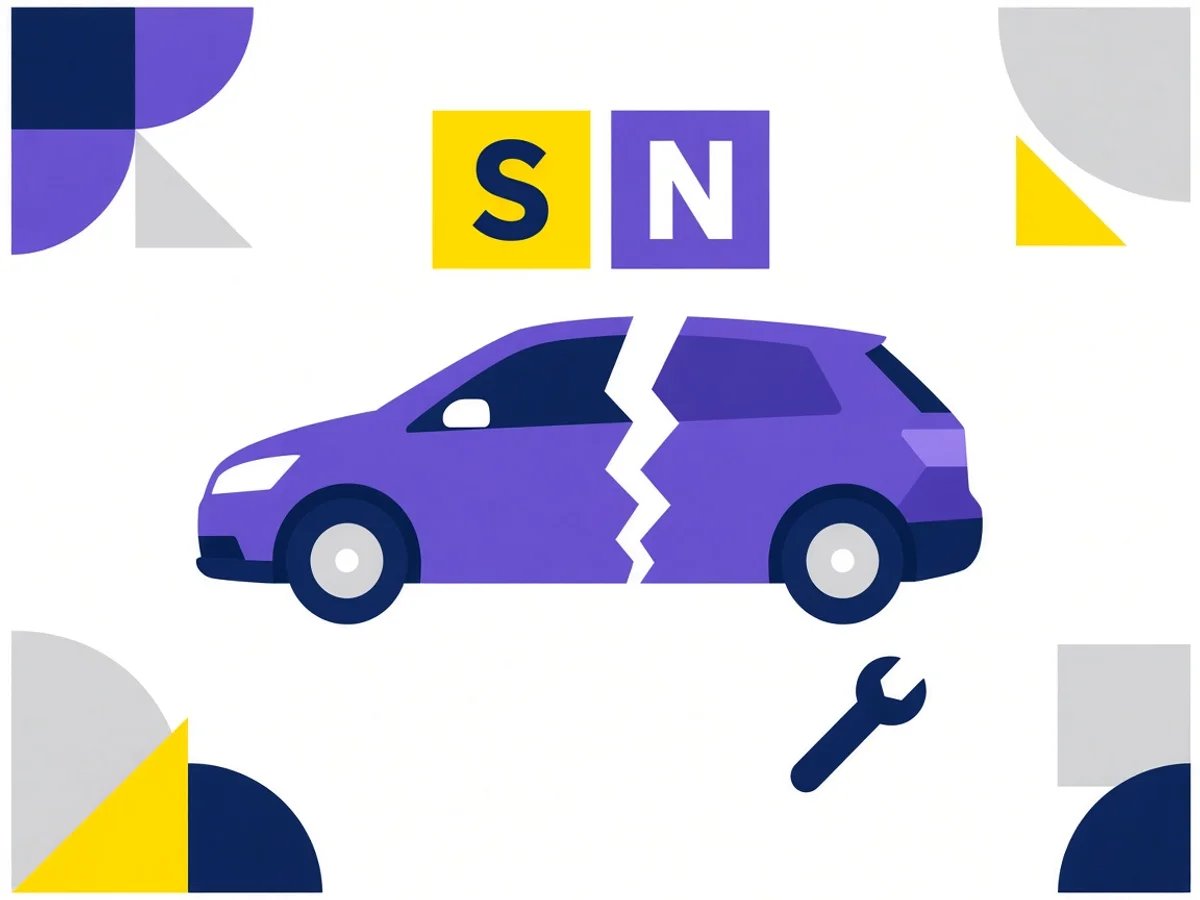
- Cat S means the car had structural damage, such as a bent chassis or damaged crumple zones. It can return to the road after a professional repair.
- Cat N means the damage was non-structural, for example to panels, trim or electrics. Insurers often choose Cat N because repairs would cost more than the car is worth, so the damage itself can be minor.
Cat C and Cat D on older cars
Write-offs recorded before October 2017 used the old categories. Cat C meant the repair would cost more than the car's value, and Cat D meant it would cost less but the insurer still chose to pay out. Neither label says whether the damage was structural, which is why the system changed. Our check shows the original category for those cars.
What the write-off check covers
For each recorded write-off, the report shows:
- The write-off category and its current status
- The date of the loss and the type of loss, where recorded
- The insurer that handled the claim
- Where the car was damaged, when the insurer recorded it
- A theft indicator if the write-off followed a theft
The write-off check is included in every paid report, starting with the Quick Check.
Where the write-off data comes from
When an insurer writes off a vehicle, it records the loss on the insurance industry's shared write-off records. We request that data when you generate your report and match it to the car using the registration and the vehicle details held by the DVLA.
Should you buy a Cat S or Cat N car?
A repaired write-off can be a sensible buy if the price reflects its history and the repair was done well. Expect to pay noticeably less than for a clean example, and expect it to be worth less when you sell it. Ask for the repair invoices, pay for an independent inspection, and tell your insurer about the category when you get a quote, because leaving it out can invalidate your cover.