
Yes, you can appeal a ULEZ or Clean Air Zone fine, and a ULEZ fine appeal follows a fixed two-stage process. You first send a formal challenge (called a representation) to Transport for London or the council within 28 days of the penalty charge notice (PCN). If that is rejected, you have 28 days to appeal to an independent adjudicator: London Tribunals for ULEZ, or the Traffic Penalty Tribunal for Clean Air Zones elsewhere in England. Appealing is free, but it only works if your case fits one of the legal grounds.
What a ULEZ or CAZ penalty costs
In London, the ULEZ daily charge is £12.50 for cars that don't meet the emissions standards. The zone runs 24 hours a day, every day except Christmas Day, and you have until midnight on the third day after your journey to pay. Miss that and TfL sends a PCN to the registered keeper. The road user charging PCN is currently £180, cut to £90 if you pay within 14 days. The exact figures are printed on your notice, so check them there.
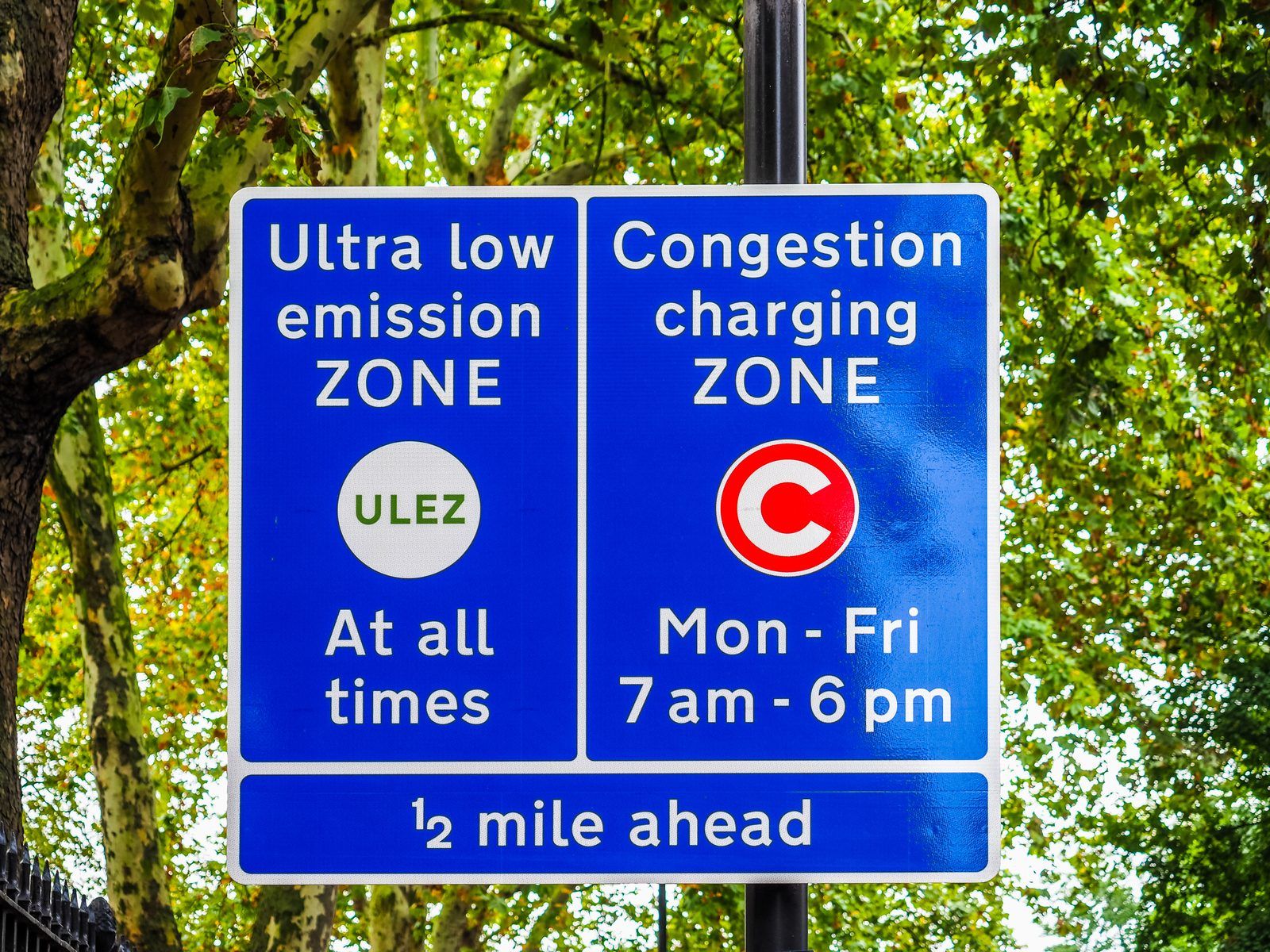
Outside London, Clean Air Zones in England use their own PCN level. Bath, for example, charges £120 plus the unpaid daily charge, reduced to £60 (plus the charge) if paid within 14 days of service, according to Bath & North East Somerset Council. You can pay a CAZ charge up to 6 days before you travel and until 11:59pm on the sixth day after, using the GOV.UK Clean Air Zone service.
If you're not sure whether your car should have been charged at all, read our guide on how to check if a car is ULEZ, LEZ or CAZ compliant before you do anything else.
Legal grounds for a ULEZ fine appeal
You can't win just by saying the charge is unfair or that you didn't see the signs. London Tribunals lists six grounds of appeal for Congestion Charge, LEZ and ULEZ penalties. In plain English, they are:
- You were never the registered keeper, you had stopped being the person liable before the date of the journey, or you only became liable after it.
- The charge was paid at the time and in the way the scheme requires.
- No penalty charge is payable under the scheme.
- The vehicle was being used by someone without the registered keeper's consent.
- The penalty is more than the amount that applies in your circumstances.
- You are a hire firm, the vehicle was on hire at the time, and the hirer signed a statement accepting liability for any PCNs.
Pick the one that matches your situation and build your evidence around it.
How the grounds work in real situations
You sold the car before the date on the PCN. This is ground 1. Send the DVLA confirmation that you are no longer the keeper and a copy of the sale receipt. Our guide to what paperwork you should receive when buying a car explains the logbook sections.
Your car meets the standard but was charged anyway. This falls under ground 3. It happens with some imported cars, older petrol cars close to the Euro 4 cut-off, and vehicles where the DVLA record is missing emissions data. A certificate of conformity from the manufacturer or a letter from the dealer confirming the Euro standard is the usual proof. If it's accepted, ask TfL to update its record for the car so the same problem doesn't produce a new PCN every time you drive in.
You paid, but the PCN arrived anyway. That's ground 2. Send the payment receipt, the bank statement line and the date you paid. A typo in the number plate when you paid can cause this, so check what you entered.
The car in the photo isn't yours. If someone is using a copy of your plates, the penalty isn't payable by you. Report it to the police first and get a crime reference number. Then compare the photo with your car: wheel design, roof bars, tow bar, colour, dents, stickers and even the model can give it away. Our guide on how to check if a car is stolen or cloned covers the warning signs.
Your car was stolen at the time. This is ground 4. Supply the crime reference number and the date you reported the theft.
What about mitigating circumstances?
London Tribunals is clear that mitigation is not a ground of appeal, so an adjudicator can't cancel a valid penalty because you forgot. TfL does have discretion of its own at the representation stage, though. If you had a genuine emergency, such as taking someone to A&E, explain it in your first challenge with evidence like hospital paperwork. The tribunal stage is too late for that argument.
CAZ grounds in England
Clean Air Zones outside London run under the Road User Charging Schemes (Penalty Charges, Adjudication and Enforcement) (England) Regulations 2013. The grounds mirror the London list, plus procedural impropriety, which covers the council failing to follow the rules (for example, a notice missing required information). You can also ask the council to cancel for compelling reasons even if none of the grounds apply, as long as you do so within 28 days of the PCN being served.
How to appeal a ULEZ PCN step by step
Stage 1: make a representation within 28 days
Check the dates, the vehicle in the photo and the amount on the PCN, then challenge online through TfL (for ULEZ) or the council named on the PCN (for a CAZ).
- Choose the ground that fits and stick to facts.
- Attach evidence as photos or PDFs: sale documents, receipts, crime reference numbers, a certificate of conformity.
- Keep a copy of everything you send and a note of the date.
Don't pay if you intend to challenge. Councils such as Bath say any payment is treated as accepting liability and closes the case. The trade-off is that a failed challenge may cost you the 50% discount, so read any rejection letter to see whether it's offered again.
Stage 2: wait for the decision
According to London Tribunals' guide to the enforcement process, TfL will send one of two letters:
- A Notice of Acceptance, which cancels the PCN and refunds anything you paid.
- A Notice of Rejection, which explains why and comes with a Notice of Appeal form so you can go to the adjudicator.
For a CAZ, the council's Notice of Rejection includes a PIN you'll need to appeal online to the Traffic Penalty Tribunal.
Stage 3: appeal to the independent tribunal within 28 days
You have 28 days from the date of the Notice of Rejection to either pay or appeal.
London Tribunals handles ULEZ, Congestion Charge and LEZ appeals. You can appeal online and upload documents and photos. There is no fee, and you don't normally pay TfL's costs if you lose unless you behaved unreasonably. You can choose a video hearing, an in-person one on request, or a postal hearing decided on paper. Most appeals are heard within about two months.
The Traffic Penalty Tribunal decides appeals against CAZ PCNs from councils in England outside London. It's also free, it runs online with optional telephone hearings, and it says most cases are resolved in around 14 days.
If you lose, you pay the PCN. If you win, the adjudicator's decision binds TfL or the council.
Deadlines that make the penalty bigger
This is the London sequence. CAZ enforcement in England follows a similar path:
- PCN issued: 28 days to pay or challenge, with 50% off if paid within 14 days.
- Charge certificate: if you don't pay, challenge or appeal in time, the penalty goes up by 50%. In London that takes £180 to £270, and in Bath £120 becomes £180.
- Order for Recovery: if the charge certificate stays unpaid for 14 days, TfL can register the debt at the Traffic Enforcement Centre. You receive the order and a statutory declaration form.
- Enforcement agents: if the debt is still unpaid, bailiffs can be authorised to collect it plus their own fees.
A statutory declaration is your way back in if you never received the PCN, made representations but never got a reply, or appealed and heard nothing. It has to be made within 21 days of being served with the Order for Recovery and must be witnessed. If accepted, the debt registration is cancelled but the PCN itself stands. For more on what happens when a payment slips, see what happens if you forget to pay a ULEZ or CAZ charge.
Clean air zone fine appeal rules by city
The GOV.UK list of English zones was last updated in February 2026 and still shows 7 charging Clean Air Zones. Greater Manchester was removed in February 2025 after moving to a non-charging plan, so you shouldn't receive a CAZ penalty there.
- Birmingham (Class D): charges non-compliant cars as well as commercial vehicles, inside the A4540 Middleway ring road, 24 hours a day.
- Bristol (Class D): charges non-compliant private cars £9 a day, with £100 for HGVs, buses and coaches.
- Bath (Class C): cars and motorbikes are not charged; vans, taxis and private hire vehicles pay £9, and HGVs, buses and coaches pay £100.
- Bradford, Sheffield and Tyneside (Newcastle and Gateshead) (Class C): buses, coaches, taxis, private hire vehicles, HGVs, vans and minibuses can be charged, private cars cannot.
- Portsmouth (Class B): only buses, coaches, taxis, private hire vehicles and HGVs.
If you drive a private car and get a CAZ penalty from Bath, Bradford, Sheffield, Tyneside or Portsmouth, check it closely: a misread plate is a likely explanation, and "no charge payable" is the ground to use. Be wary of payment demands by text. Our guide on which cities have the strictest vehicle emission rules compares the zones in more detail.
Scotland works differently
Glasgow, Edinburgh, Aberdeen and Dundee run low emission zones with no daily charge. A non-compliant vehicle that enters is simply fined. Under the Scottish LEZ regulations, the first penalty for a car is £60, and each repeat breach adds a surcharge, so the penalty climbs to £120, £240 and then a maximum of £480. Edinburgh started issuing fines on 1 Jun 2024. You challenge with the council first, then appeal to the First-tier Tribunal for Scotland (not the Traffic Penalty Tribunal).
How to avoid the next PCN
If you drive into London regularly, TfL Auto Pay bills you automatically for ULEZ and Congestion Charge days and protects registered vehicles from PCNs while they're on the account. There's no registration fee. Bear in mind the Congestion Charge rose to £18 from 2 Jan 2026 and electric cars now pay it too, with a discount only when they pay through Auto Pay. Our guide to ULEZ vs the Congestion Charge explains when you pay one, the other or both.
For CAZs outside London, there's no Auto Pay equivalent for private cars, so set a reminder to pay through GOV.UK within the 6-day window.
If you're buying a used car, check its emissions standard before you hand over money. A cheap older diesel can cost you £12.50 every day in London. Running the plate through a free car check on CheckVehicle shows the DVLA vehicle data (including fuel type and first registration date) and the full MOT history, so you can work out what you're taking on. Our guide to ULEZ has more background.
Frequently asked questions
How long do I have to appeal a ULEZ fine?
You have 28 days from the date of the PCN to make a representation to TfL. If TfL rejects it, you then have 28 days from the date of the Notice of Rejection to appeal to London Tribunals. An adjudicator may accept a late appeal if you explain the delay.
Does appealing a ULEZ PCN cost anything?
No. There's no fee to challenge with TfL or to appeal to London Tribunals or the Traffic Penalty Tribunal. If you lose, you pay the penalty, and costs are only awarded against you if you acted frivolously or unreasonably.
Can I appeal if I didn't know my car wasn't ULEZ compliant?
Not knowing isn't one of the legal grounds, and the adjudicator can't cancel a penalty for mitigation. You can still explain your circumstances to TfL at the first stage, where it has discretion. Check compliance first, as some cars wrongly flagged as non-compliant do meet the standard.
What if the PCN is for a car I sold?
Challenge on the ground that you were no longer the registered keeper, with your DVLA confirmation and the sale receipt. If the DVLA record wasn't updated, contact the DVLA too, or the PCNs will keep coming.
Who handles Clean Air Zone appeals outside London?
In England, the Traffic Penalty Tribunal handles CAZ appeals after the council has rejected your challenge. In Scotland, low emission zone appeals go to the First-tier Tribunal for Scotland. In both cases you must challenge with the council first.